
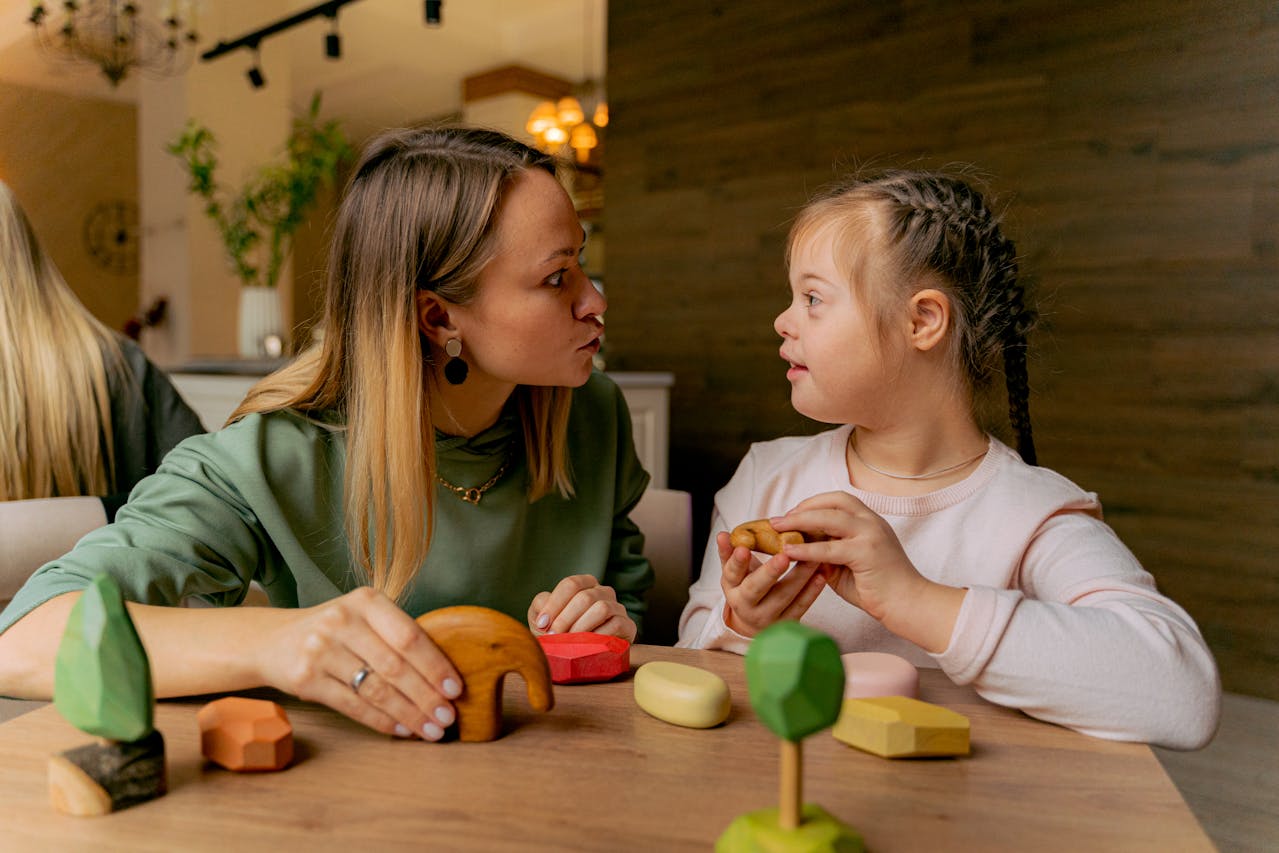
Why the Right Clothing Matters for the Self-Esteem of Children with Disabilities
Self-esteem plays a central role in a child’s emotional and social development. For children with disabilities, confidence can be significantly influenced by how they experience daily life—including how they dress and how others perceive them. Clothing is far more than fabric; it represents self-image, personal choice, and a gateway to inclusion. Selecting the right clothing is not only about physical comfort or practicality but also about nurturing identity and empowerment. This is especially true for children whose daily routines are affected by mobility, sensory, or developmental challenges. That’s why more parents and caregivers are turning to adaptive fashion that fits every stage of life, which addresses both functional and emotional needs.
A Child’s Wardrobe Can Reflect Their Voice
 Clothing serves as a form of self-expression. Whether it’s bright colors, bold prints, or soft, calming textures, children often use their outfits to share who they are without saying a word. However, for kids with disabilities, traditional fashion sometimes falls short of offering the same choices that peers enjoy. Zippers can be tricky. Buttons can be barriers. The wrong fabric can overstimulate the senses.
These factors can turn getting dressed into a daily struggle—and that struggle can chip away at a child’s confidence. With adaptive clothing, children are given tools that let them participate in dressing independently or with minimal support. Velcro fasteners, magnetic closures, and stretchable openings can provide a sense of accomplishment. It’s not simply about ease—it’s about giving children the dignity of choice and the pride that comes from autonomy. That feeling of “I did it myself” can boost their self-perception in meaningful ways.
Comfort Influences Mood and Confidence
Discomfort in clothing is more than a minor irritation; it can distract, frustrate, and discourage a child. Clothing that feels scratchy, fits too tightly, or doesn’t accommodate medical devices can create unnecessary stress. Children with sensory processing issues or those using mobility aids like wheelchairs or prosthetics need apparel that adjusts to their needs. It’s not about luxury—it’s a necessity that directly affects emotional well-being. When a child wears an outfit that fits just right—not just physically, but emotionally—it helps them feel like they belong. They’re less focused on discomfort and more open to interacting with peers, participating in school activities, or simply enjoying their day. That level of ease has a ripple effect: it supports social engagement, encourages learning, and nurtures a positive self-image.
Inclusivity Begins With Equal Choices
Fashion should be inclusive. But often, children with disabilities are offered fewer options, which can unintentionally signal that they are different or excluded. When clothing accommodates medical or sensory needs discreetly and attractively, it lets children feel part of something instead of apart from it. Brands that focus on adaptive fashion are reshaping this narrative. By making stylish, practical garments accessible for kids with various needs, they’re contributing to an inclusive mindset. Parents no longer need to modify garments themselves or settle for bland choices. Now, clothing can celebrate every child, offering the same variety, excitement, and personality that others enjoy.
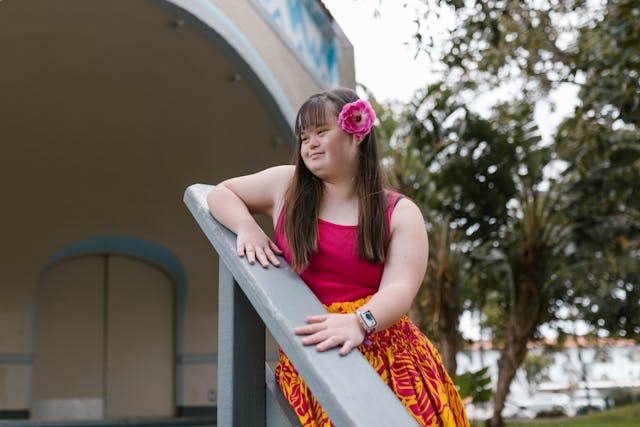
Psychological Impact of Looking Good and Feeling Capable
Feeling good in your clothing translates directly to how you carry yourself. For children, looking “cool,” “pretty,” or “strong” according to their own definitions gives them a mental boost. This may be particularly important for kids who face physical or cognitive challenges that already make them feel different. The right clothes can shift focus away from those differences and spotlight their strengths, creativity, and personalities. When children feel capable and seen, they’re more likely to take part in activities, make friends, and speak up. It becomes a mild but powerful tool in shaping self-belief.
Conclusion
The right clothing has the potential to support children with disabilities in more ways than we may initially imagine. It empowers them to dress with ease, express individuality, and engage with the world on their own terms. Adaptive clothing is not simply about function—it’s about …